
Buying a closet system before watching where laundry, shoes, and school clothes pile up can turn one messy closet into a more expensive messy closet. Start with the routine the closet must support before choosing shelves, bins, or drawer organizers.
Closet organization works best when the closet is planned around household routines, not products
Closet organization lasts when the layout supports fast dressing, clean laundry drop-off, visible categories, and seasonal overflow. The system has to survive tired mornings, full hampers, and weather changes.
The closet organize plan should start with a one-week traffic audit
Track what lands on the floor, what is ignored because it is too high or too full, and whether the closet is rented, owned, temporary, or permanent before choosing mounted parts. If new shelving, finishes, or storage products give off strong odors indoors, the U.S. Environmental Protection Agency recommends ventilation through its indoor air quality guidance.
The best closet zones match how the household gets dressed
The strongest zones follow the morning sequence: underwear, base layers, main outfit, shoes, outerwear, then accessories. Adult zones can sit higher, child zones should stay reachable, and shared zones work best when each person has a clear daily section.
What should a household measure before buying a closet system or closet shelving?
Measure closet width, depth, height, door clearance, rod height, shelf spacing, wall material, and reachable zones before buying closet shelving. These measurements prevent blocked drawers, twisted hangers, overloaded shelves, and systems that fit the catalog better than the room.
Closet depth determines whether hangers, drawers, and doors can work together
- Depth risk: Adult hanging clothes usually need about 24 inches of depth so hangers do not twist and doors can close.
- Drawer risk: Drawer units, baskets, and shoe trays need enough front clearance to pull out fully, especially behind sliding or bifold doors.
- Shallow-closet risk: A shallow closet may need hooks, front-facing rods, slim hangers, or shelves instead of standard hanging.
Closet rod height and shelf spacing should match adult and child reach zones
A single adult rod often sits near 60 to 66 inches, while double-hang layouts commonly place the lower rod around 40 to 42 inches and the upper rod around 80 to 84 inches. Shelf spacing should be tighter for shoes and folded shirts, and taller for bins, sweaters, and seasonal bedding.
Wall type and load rating decide whether a closet system is safe
Mounted systems need the wall checked before purchase. Stud locations, drywall condition, plaster, masonry, and manufacturer load ratings decide whether wire shelving, wood shelves, metal standards, or modular rails can carry clothing and heavy bins. Heavy bins belong low or on well-supported shelves, and tall freestanding organizers in kids’ rooms should be anchored.
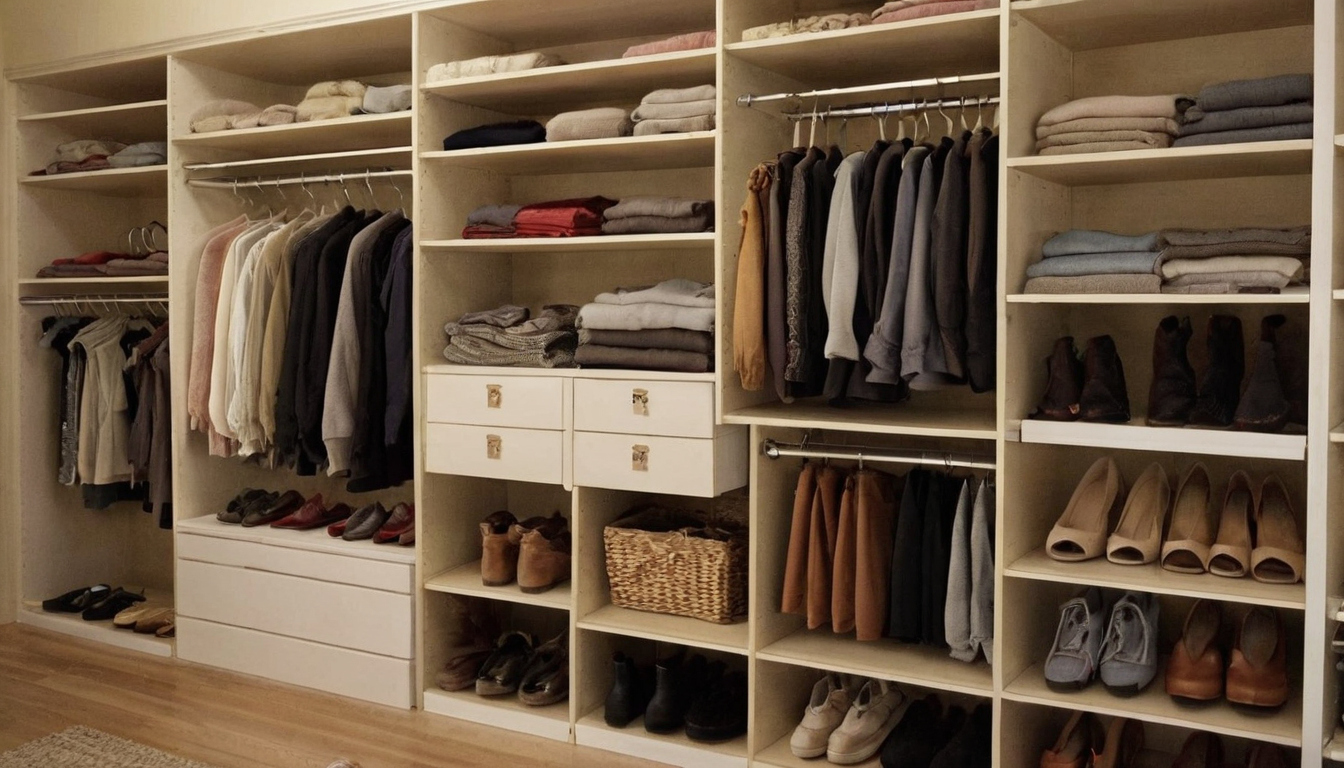
What should a household measure before buying a closet system or closet shelving shown with practical context cues.
A morning-proof closet puts daily outfits, shoes, and school items in the fastest reach zone
A morning-proof closet keeps daily clothes, shoes, bags, and weather layers between eye level and hand level for the person using it. Speed matters more than perfect styling.
Kids’ closet organization should put independence before perfect folding
Kids’ closet organization works best when the child can finish one task without calling an adult. Toddlers need low hooks, open shoe bins, and picture labels. Elementary-age children can use weekday outfit cubbies, sock bins, and a low jacket hook. Teens usually need visible zones for uniforms, sports clothes, hoodies, and shoes.
Shared closets need duplicate zones, not one large mixed zone
Shared closets stay calmer when each user has a repeated pattern: one hanging section, one shelf, one shoe area, and one small bin for accessories. Color labels or left-right divisions beat one mixed shelf that needs constant sorting.
Laundry-day closet organization needs a landing zone for clean clothes before they become clutter
Laundry-day closet organization works when the closet has a clear place for clean clothes that are not immediately hung, folded, or assigned. Use a small landing shelf, labeled basket, drawer organizer, or low open bin for “put away today” clothes.
A drawer organizer should solve repeat laundry clutter, not hide random extras
A drawer organizer helps most with small categories that scatter: socks, underwear, belts, hair accessories, small uniforms, baby items, and workout basics. If every divider is packed tight, the drawer needs fewer items, not more compartments.
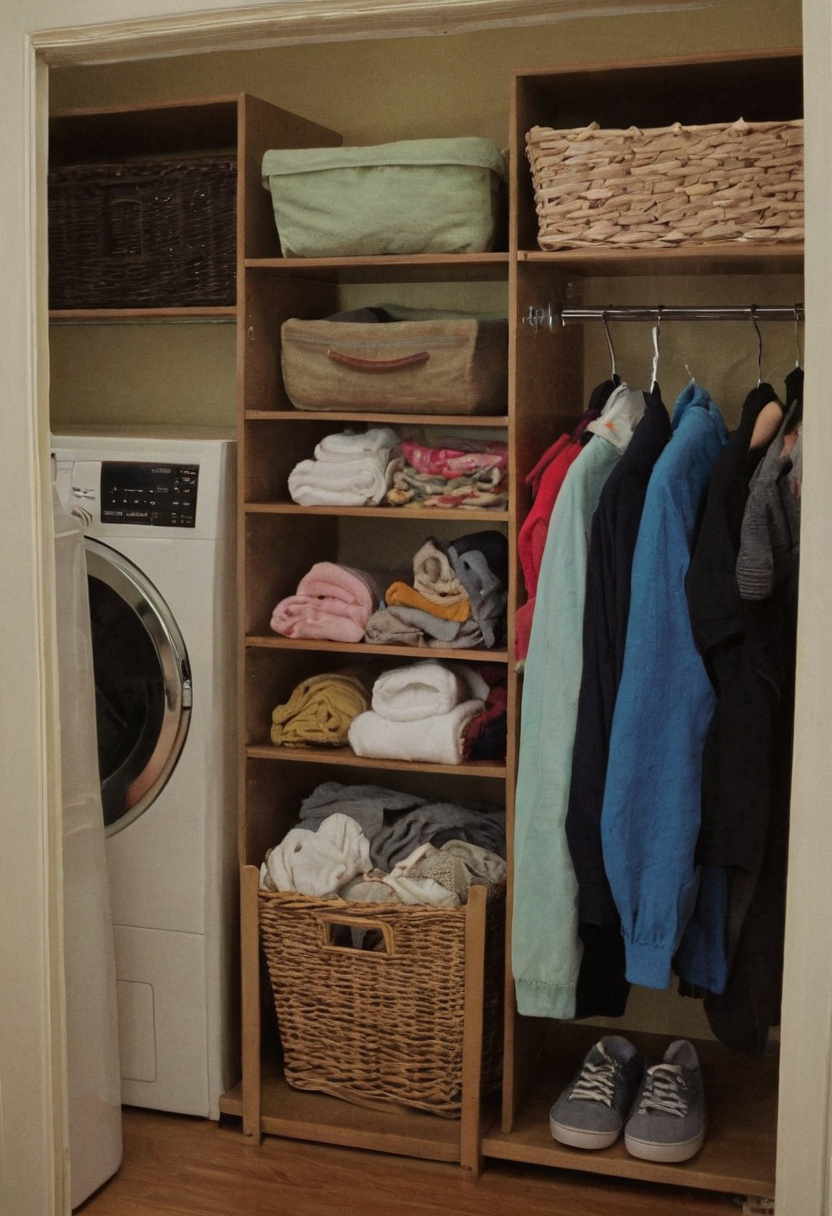
Laundry-day closet organization needs a landing zone for clean clothes before they become clutter shown with practical context cues.
Closet shelving should leave one open shelf for laundry reset days
Keep one shelf empty or half empty for reset days. Limit it with a label such as “hang,” “fold,” or “return,” then clear it before the next wash cycle.
Which closet system gives the best value for a family budget?
The best-value closet system depends on budget, ownership, closet size, and weight. Renters and growing kids usually need freestanding or adjustable pieces; long-term primary closets often benefit from anchored shelving, sturdier drawers, and better capacity.
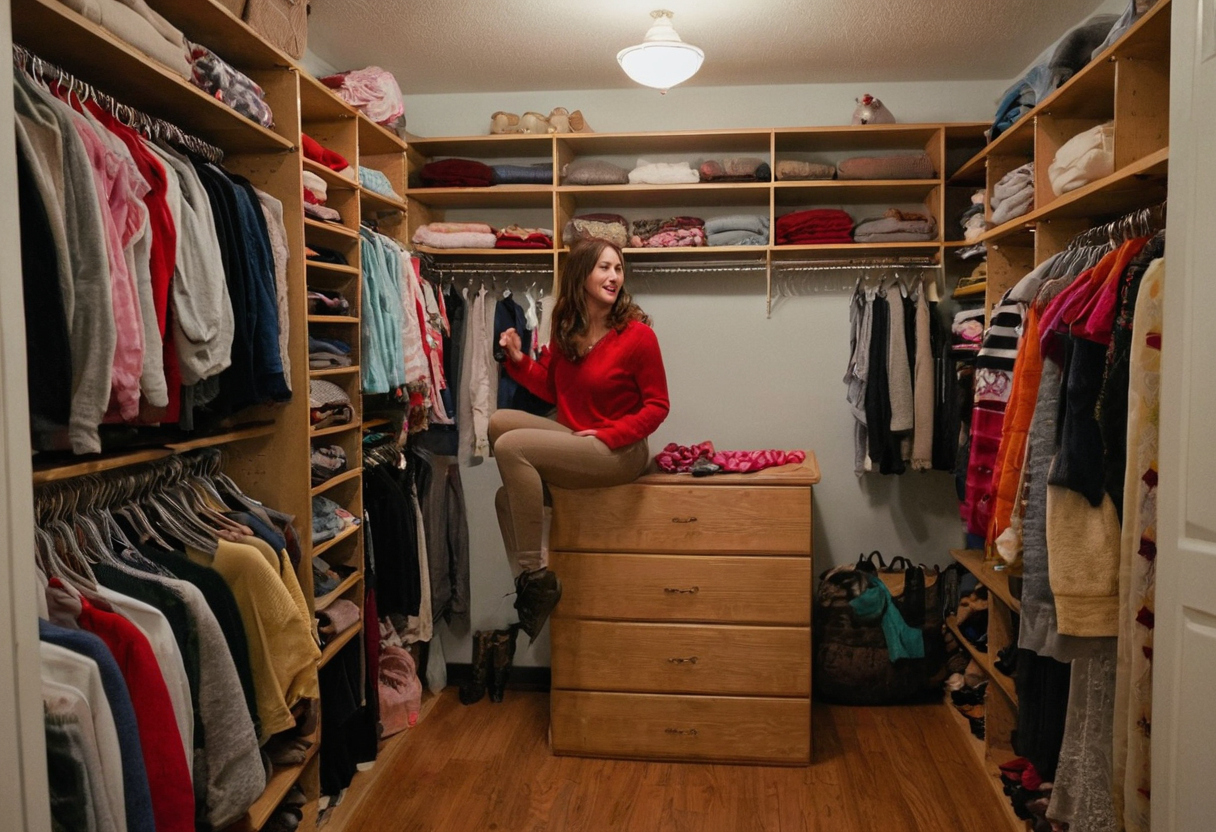
Which closet system gives the best value for a family budget shown as an editorial planning reference.
Freestanding organizers are best when renters or kids need flexibility
Freestanding organizers suit apartments, kids’ closets, and seasonal overflow, but tall units should be anchored where children may climb or pull drawers.
Mounted closet shelving is best when weight, floor space, and long-term use matter
Mounted wire, laminate, plywood, or metal-standard systems protect floor space and handle daily hanging better when installed into studs, masonry, or proper wall anchors. Follow manufacturer load ratings. In damp storage areas, the U.S. Environmental Protection Agency advises keeping indoor humidity below 60 percent to help control mold growth.
Built-in closet systems are worth considering when the closet is permanent and heavily used
Built-ins and semi-custom systems can cost more, but they make sense for a long-term primary or shared closet. Plan seasonal swaps so zones move instead of forcing a full rebuild.
A seasonal closet swap should move zones, not force a full closet cleanout every time
A seasonal closet swap stays manageable when the household rotates priority zones instead of emptying the entire closet. Current-season clothing should be easiest to reach, while off-season items should be clean, labeled, protected, and stored higher or deeper.
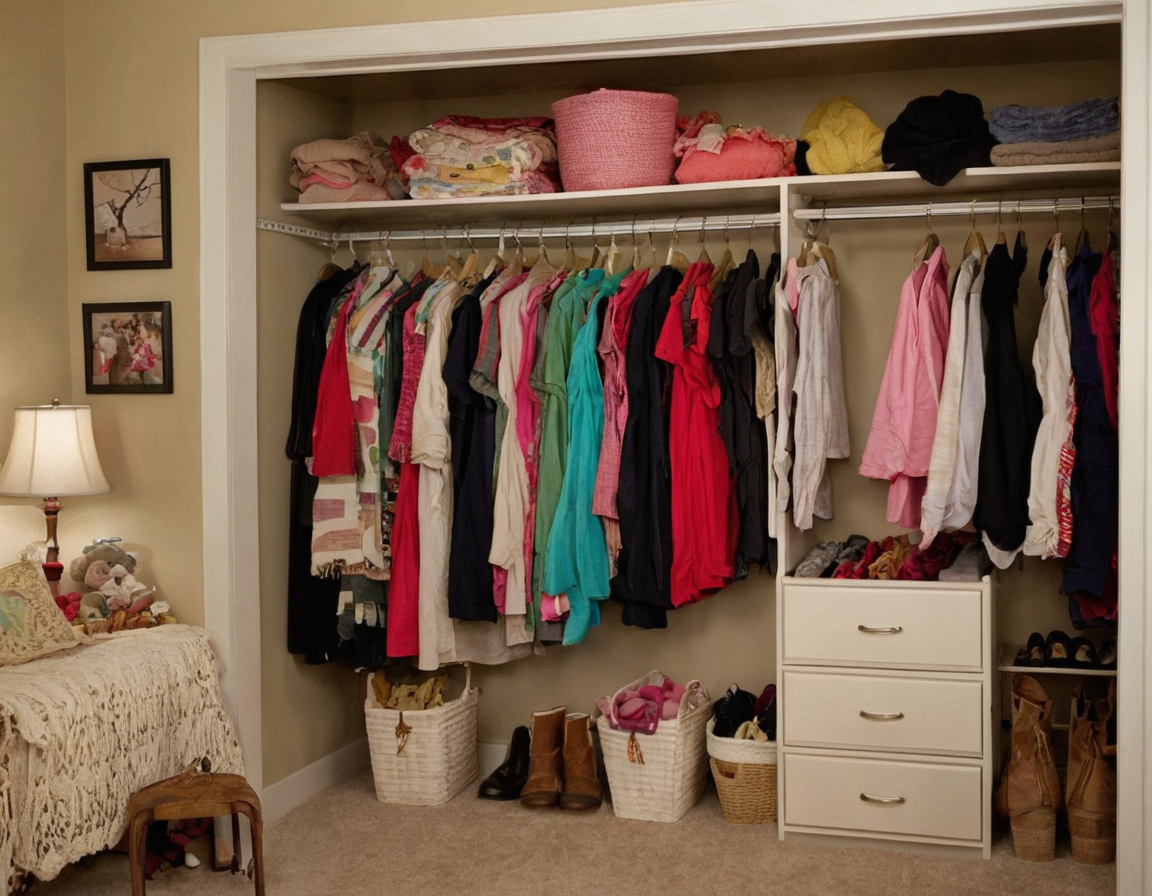
A seasonal closet swap should move zones, not force a full closet cleanout every time shown as an editorial planning reference.
The 70/30 wardrobe rule can be used as a practical access rule, not a strict decluttering law
Treat the 70/30 rule as an access guide: keep everyday clothing in the easiest space and less-used items in harder-to-reach areas. Uniforms, sports gear, maternity clothes, workwear, and four-season climates all need exceptions.
Seasonal bins need labels based on the next time they will be used
Seasonal bins work best when labels answer the future search: “fall, Maya, size 8, school pants” or “summer, family, swim.” Store heavy coats and shoe bins low, keep sweaters clean and folded, and avoid damp basements or hot attics for delicate fabrics.
The closet maintenance rule that prevents collapse is a short weekly reset plus a seasonal edit
Closet maintenance works when the household uses a short weekly reset for misplaced items and a deeper seasonal edit for fit, damage, and weather changes. The best system tolerates imperfect daily use but has predictable moments for restoring order.
The rule of 3 for cleaning closets can become keep, relocate, or release
- Keep in closet: current clothes, daily shoes, school layers, and accessories used this season.
- Relocate: sports gear, sentimental boxes, extra bedding, and hand-me-downs.
- Release: outgrown kids’ clothing, duplicate basics, damaged shoes, and items no one reaches for after a full season.
The seasonal edit should also check rods, brackets, loose anchors, sagging closet shelving, cracked bins, and broken drawer organizer pieces before heavier coats or storage bins return.
A stylish closet still needs durable labels, washable bins, and visible categories
Closet style should support the reset, not hide the system. Matching baskets can create visual calm, especially when mixing practical storage with personal style, but identical containers need clear labels.
FAQ
What is the 70/30 wardrobe rule, and does it actually help closet organization?
It can help if the household treats it as an access guide: keep everyday clothing in the easiest 70 percent of the closet and less-used items in the harder-to-reach 30 percent.
What is the rule of 3 for cleaning closets?
For a family closet, the rule of 3 can mean keep, relocate, or release.
What are the latest closet organization trends that are actually practical for daily use?
Practical trends include adjustable shelving, open daily zones, washable bins, clear labels, low hooks for children, and mixed hanging with drawers.