Craft Is a Verb: What SaloneSatellite’s Return to “Making” Means for Bespoke Joinery
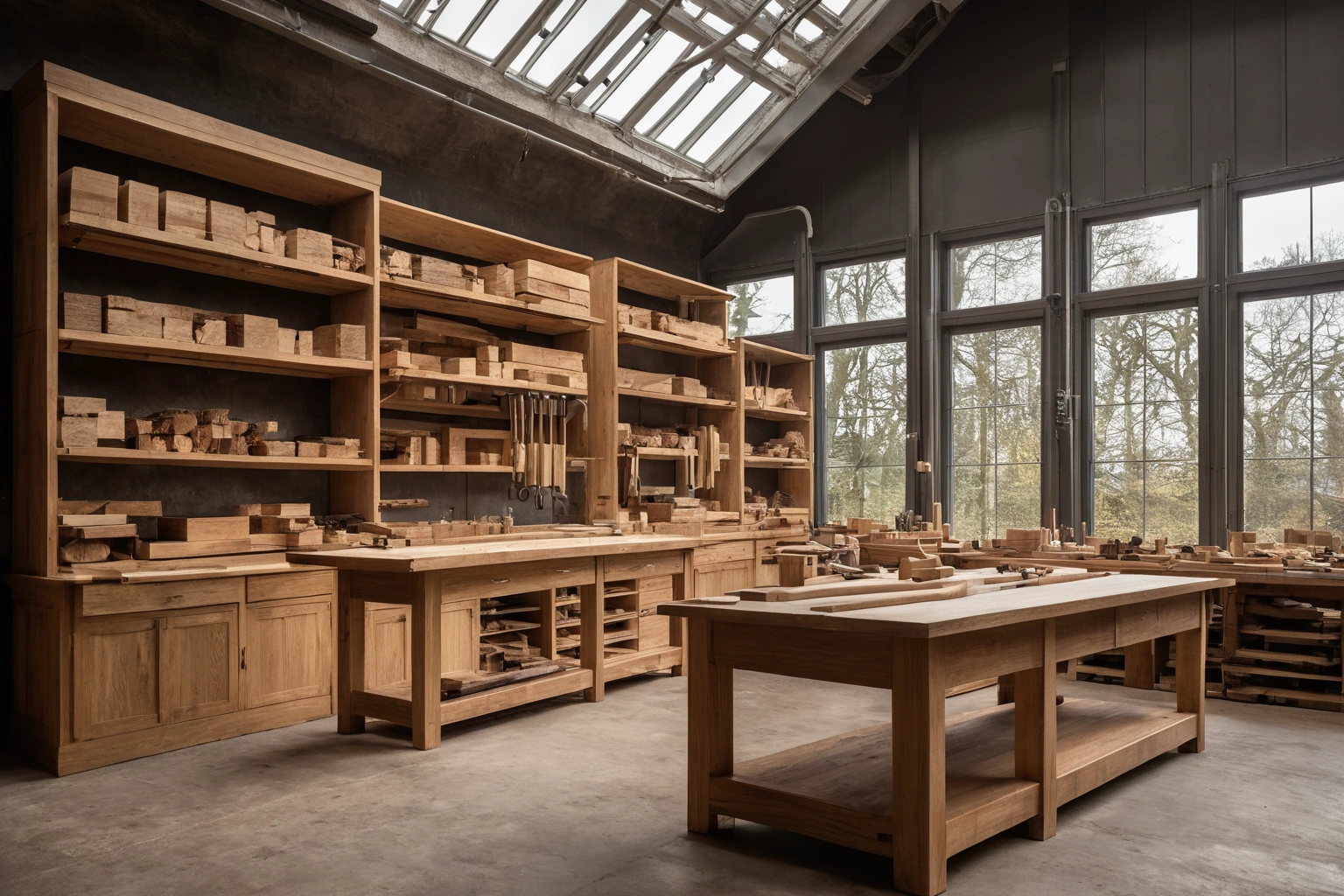
For readers assessing bespoke Italian joinery, the practical question is how the idea performs in a real room, not only how it photographs. Two European fairs put the same subject on the wall three months apart in 2026. In January, the Trend Arena at Heimtextil in Frankfurt ran under the phrase “Craft is a verb,” curated by Alcova’s Valentina Ciuffi and Joseph Grima. In April, SaloneSatellite reached its 27th edition at Rho Fiera under the theme “Maestria artigiana + Innovazione,” Skilled Craftsmanship + Innovation. Neither programme knew what the other would choose. Both landed on making, and the coincidence bites hardest on the trades that never stopped.
Two fairs, one subject
SaloneSatellite is not a side show. Its brief has not moved since Marva Griffin Wilshire founded it in 1998: designers under 35, in the same halls as the industry. The 2026 edition filled Pavilions 5 and 7 with 700 young designers from 39 countries, inside a Salone del Mobile.Milano that closed at 316,342 visitors from 167 countries, up 4.5 percent on 2025, and more than 14,000 students through the doors.
Frankfurt got there first. Heimtextil’s Trend Arena, curated by Alcova, argued in January that high technology and hand skill are not opponents. Its wording is blunt about where that leaves the operator: “where traditional craft techniques reach their limits, artificial intelligence opens up new possibilities. This gives rise to a new type of player: the techno-craftsman.”
| Programme | Dates | Theme | Who set it | Scale |
|---|---|---|---|---|
| Heimtextil Trend Arena, Frankfurt | 13–16 Jan 2026 | “Craft is a verb” | Alcova (Valentina Ciuffi, Joseph Grima) | Six trends |
| SaloneSatellite, Rho Fiera Milano | 21–26 Apr 2026 | Skilled Craftsmanship + Innovation | Marva Griffin Wilshire | 700 designers under 35, 39 countries, 22 schools |
What the award actually rewarded
Themes are cheap. Prizes show what a jury will defend. The 15th SaloneSatellite Award was judged by a panel chaired since the award’s start in 2010 by Paola Antonelli, MoMA’s senior curator of architecture and design. First prize went to Denmark’s Russo Betak for Nippon, a pendant lamp made from a material the studio produces itself: a large-format custom printer the team built turns waste shells discarded by restaurants into a substance both rigid and fluid. Second prize went to the Netherlands’ Ious Studio for 3DP Ceramic Tiles, third to Germany’s Jüngerkühn for Soft Touch. Antonelli’s summary was short: “Another wonderful year, with ideas that truly seek to blend tradition with innovation.” A related practical reference is available in Closet Organization That Survives School Mornings, Laundry Day, and Seasonal Swaps.
Read the winners as a method, not a set of objects. Shells and clay are old materials, and they reached the jury through machines the designers had to build and tune themselves. What the award recognises, in Antonelli’s phrase, is “an intuition ahead of the market, research ahead of industrial scale”. Dezeen’s round-up of the designers to watch reads the same way. This is not a generation rejecting software. It is a generation deciding where software stops.
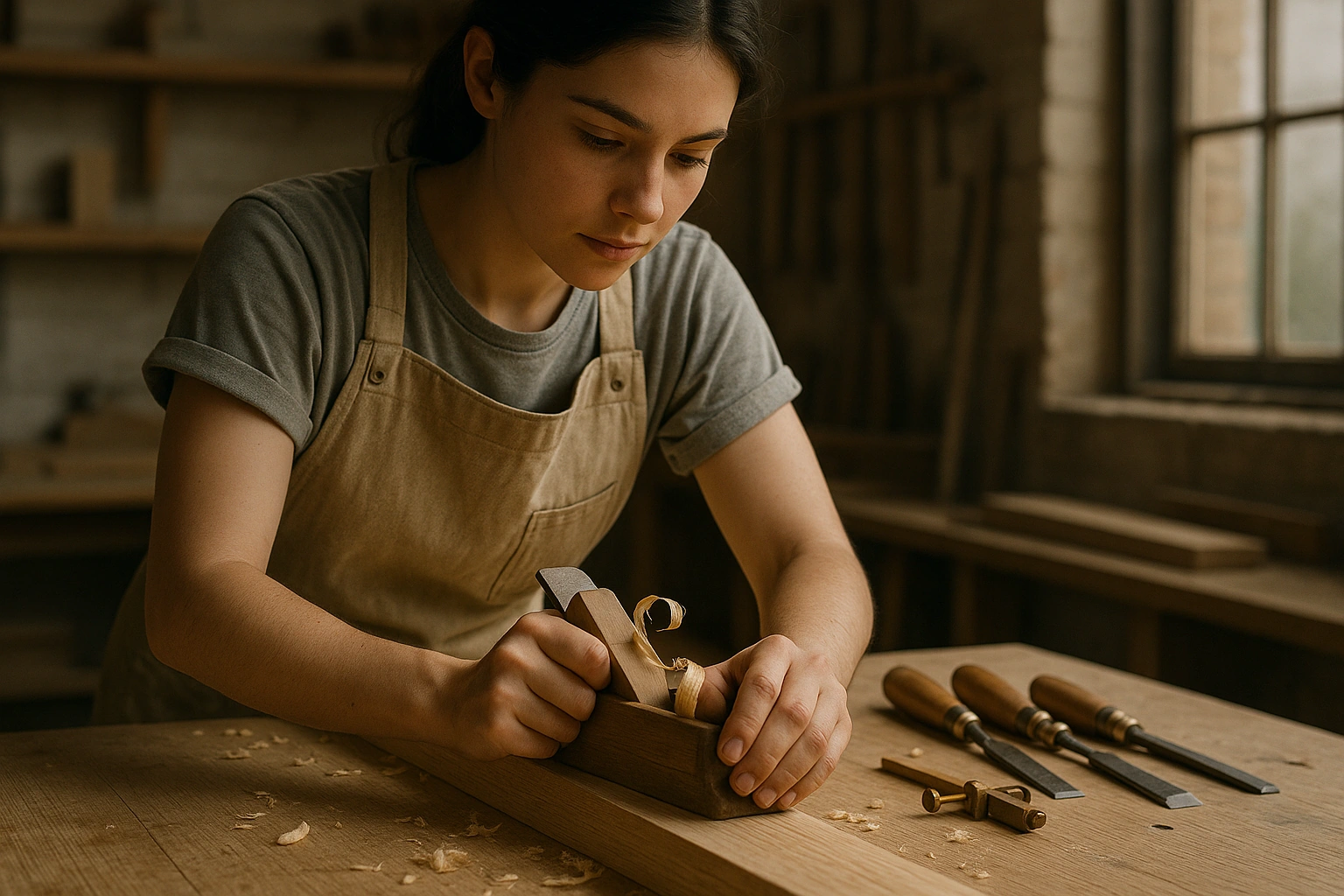
The printer will run all day. It will not tell you when the surface is right, because nobody has ever managed to write that down.
Why a software generation went back to the bench
There is a name for what these designers went looking for. Michael Polanyi popularised it in Personal Knowledge in 1958 and The Tacit Dimension in 1966, and compressed it into one line: “we can know more than we can tell.” What cannot be told moves by observation, imitation and repetition, or it does not move at all. This decision can also be compared with the site’s guide to About House by the Video Store Studio.
Italy already runs the reference implementation. Cremona’s violin making was inscribed on UNESCO’s Representative List of the Intangible Cultural Heritage of Humanity in 2012, and the inscription reads like a specification for slow work. Each maker builds three to six instruments a year, shaping and assembling more than 70 pieces of wood by hand around an inner mould, each judged against its own acoustic response, with no semi-industrial or industrial materials. Transmission is stated plainly: makers attend a specialised school built on a close teacher-pupil relationship, then apprentice in a local workshop, where the mastering continues without a finish line.
- Tacit knowledge
- The part of a skill that can be shown but not fully written; transmitted by watching, copying and repeating, not by reading.
- Bottega
- The Italian workshop; historically the training unit of the trade, where a beginner learned beside a working master, not in a classroom.
- Liuteria
- Cremonese stringed-instrument making, the clearest surviving model of school-then-workshop transmission.
- Techno-craftsman
- Heimtextil’s 2026 term for the maker who runs the digital tool and still owns the judgement about where its output is wrong.
The trade’s problem is transmission, not demand
The fairs supply attention. Attention is not the bottleneck. In May 2025 Heritage Crafts published the latest Red List of Endangered Crafts, adding 20 crafts to a UK list that now runs to 165: 93 endangered and 70 critically endangered, meaning serious risk of dying out within a generation. Rattan furniture making was one of 12 crafts added to the critical tier. Heritage Crafts names the pressure precisely, and only one third of it is about money. The wider project context is available from housebythevideostore.com.
- Rising operational costs, which squeeze the margin that used to pay for a learner’s unproductive first years.
- A lack of structured training, the failure no amount of consumer interest repairs.
- Mounting market pressures, which reward speed over the hours a hand skill needs.
No craft has been recorded as extinct in the UK since 2023, and several were given “resurgent” status for the first time, hazel basket making and reverse glass sign painting among them. Skills come back when someone funds a person to learn them, not because a fair had a good year.
What the workshop teaches that the hall cannot
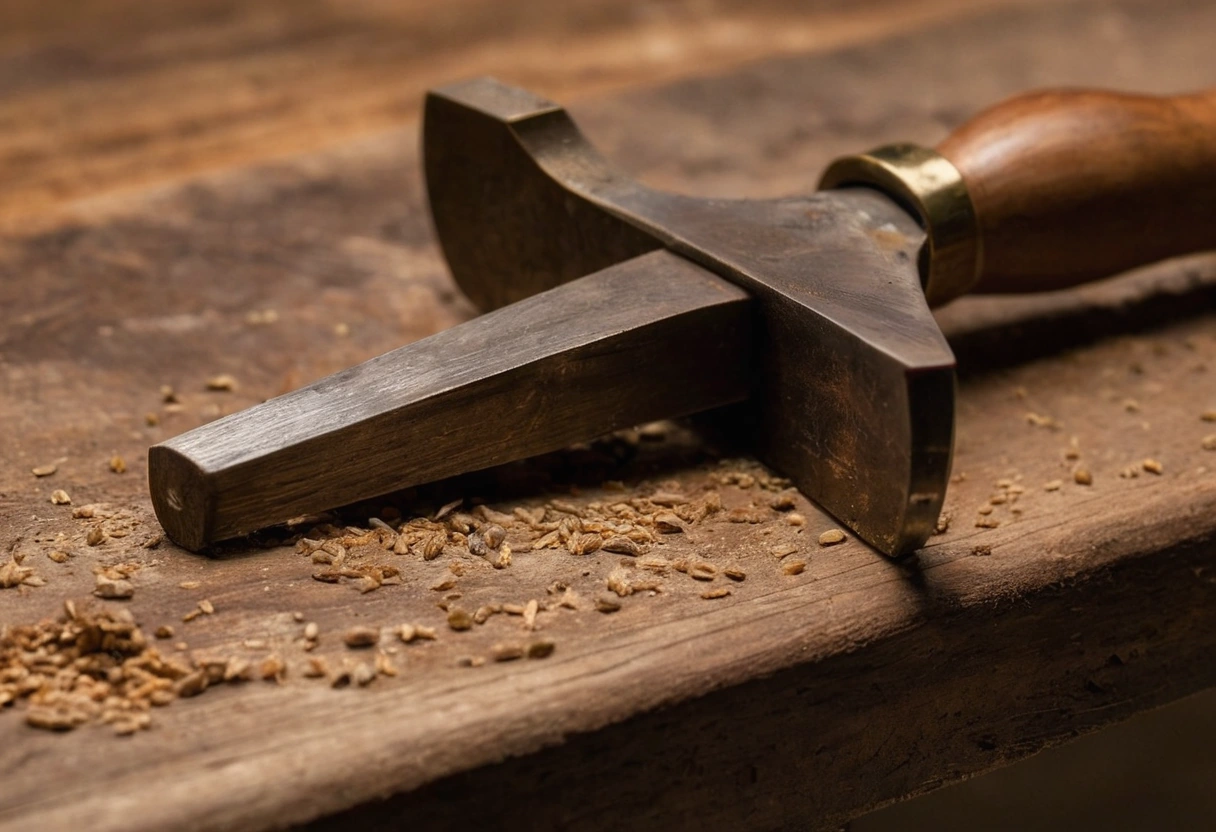
SaloneSatellite is a very good showroom and a very poor school. Six days in April cannot hand over a skill that Cremona measures in decades. That work happens on benches, most of it unwitnessed. The workshops that still build bespoke joinery to commission are, in practice, the last full-time schools their trade has: the only places where a beginner can spend a year being slow next to someone who is not. Further related coverage is collected in Blog.
Both fairs point at the same short list of conditions.
- Real work early. Cremona’s model puts the apprentice in a working shop, not a simulation of one.
- A named person to copy. Tacit knowledge moves through a relationship. A video has no idea what you are doing wrong.
- The machine and the bench in one room. Every 2026 award winner used both; splitting them produces operators at one end and hobbyists at the other.
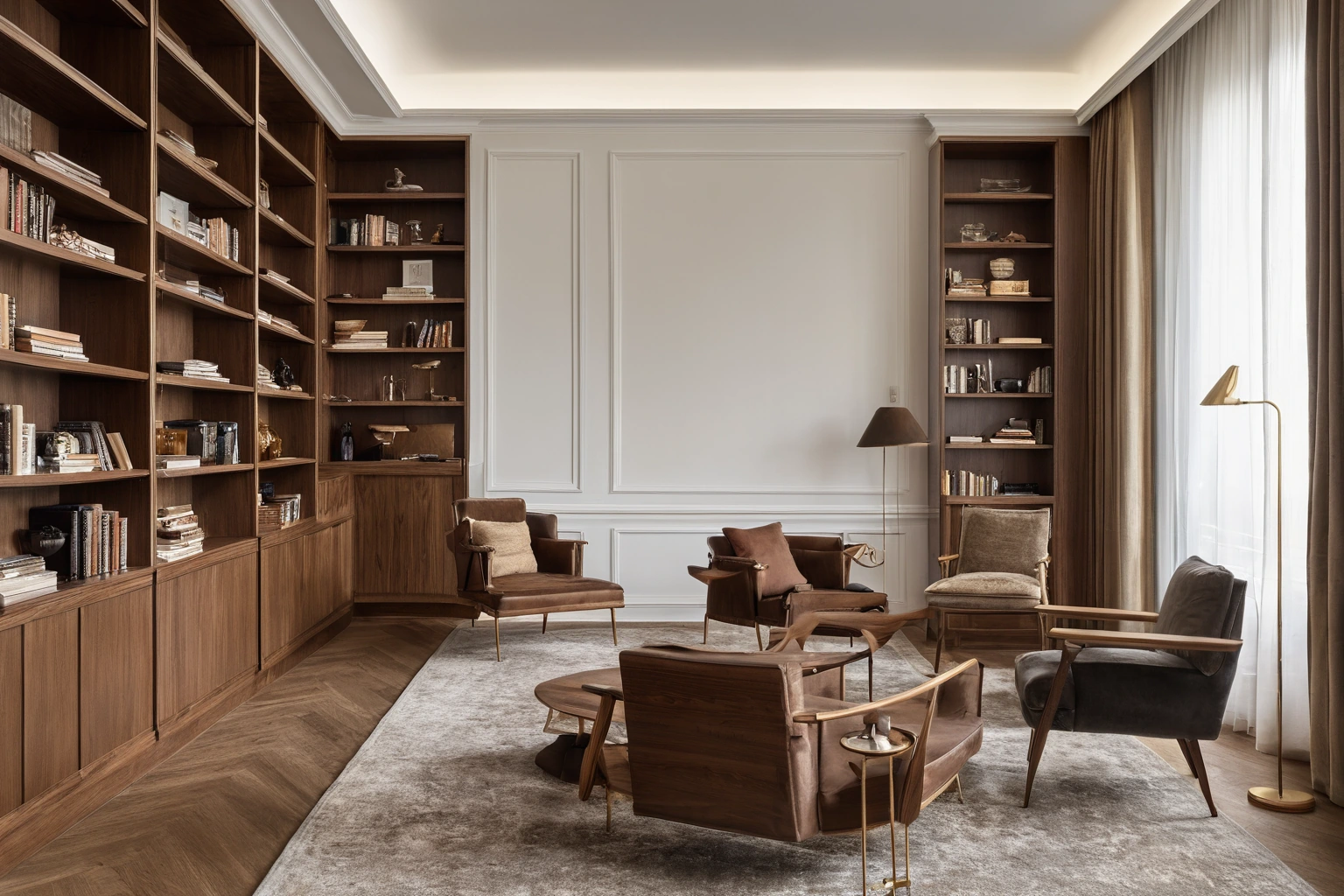
The useful thing about Frankfurt’s phrase is its grammar. “Craft is a verb” refuses the noun, and the noun is what the last twenty years sold: craft as a look, a finish, a word on a label. A verb needs someone to do it, which means someone had to be taught, which means somebody’s workshop carried them while they were still slow. Milan’s 700 under-35s spent April demonstrating they had worked this out; the trade they are walking into has spent decades proving it in the other direction, one Red List entry at a time. Fairs conjugate the verb for six days. Benches conjugate it every morning.